
Blog
The Modern Seatbelt: A Life-Saving Innovation Born from Volvo’s Vision
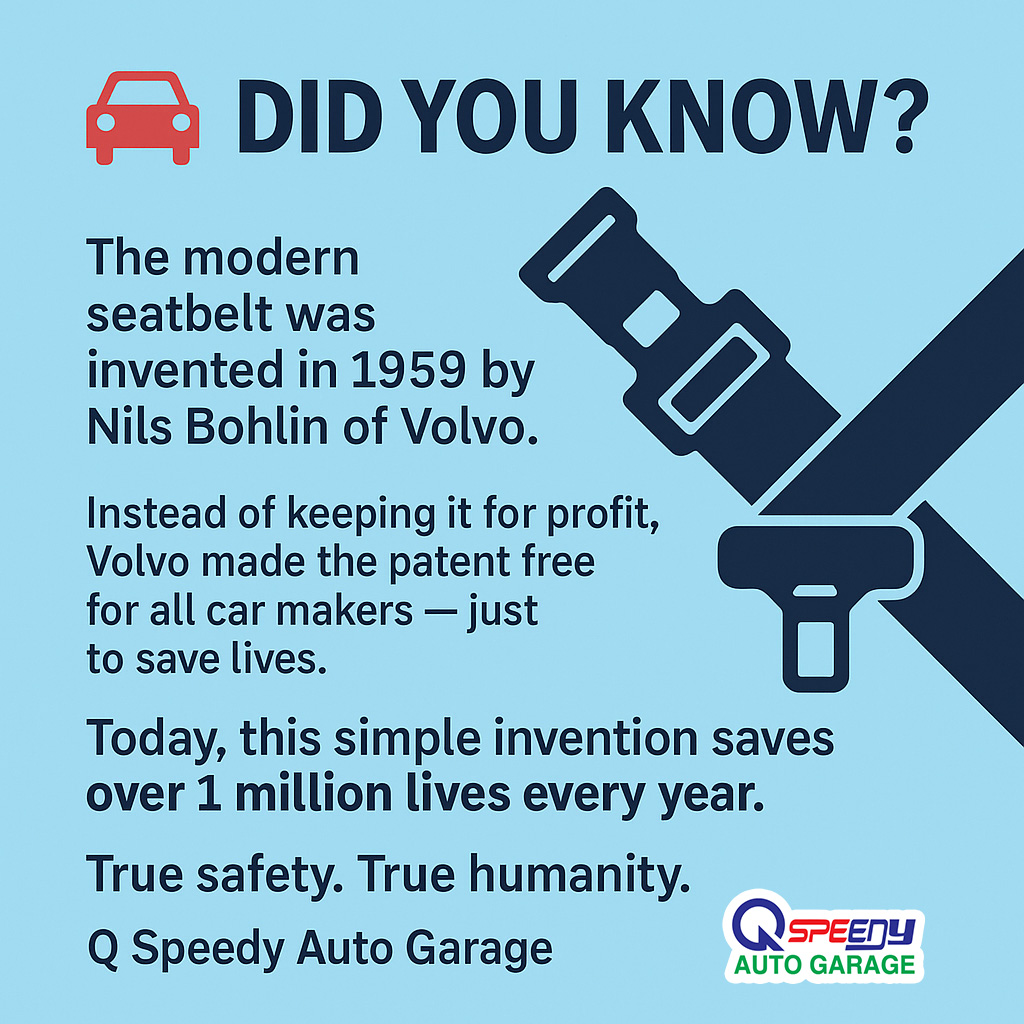
The seatbelt as we know it today was invented in 1959 by Nils Bohlin, a safety engineer at Volvo. Unlike older lap belts, Bohlin’s innovative three-point seatbelt secured both the chest and the hips, dramatically improving protection during crashes. Recognizing its life-saving potential, Volvo chose not to patent the design for profit — instead, they made it freely available to all car manufacturers. This bold, humanitarian decision made the modern seatbelt the most important safety feature in automotive history, credited with saving over a million lives globally to date.
Recent Posts

This diagram explains how a car engine controls and reduces harmful emissions. It shows the flow of air, fuel, and exhaust gases, along with key components like sensors, catalytic converter, and ECU working together to improve engine performance and protect the environment.
Read more
The history of the automobile engine is a story of innovation, experimentation, and constant improvement. From early steam-powered machines to today’s high-efficiency hybrid and electric systems, engine development has shaped the modern world.
Read more
The early 20th century marked a defining era in the historical evolution of the automobile — the rise of the global automotive industry. What began as small-scale mechanical experimentation soon transformed into one of the world’s most powerful manufacturing sectors. As demand for motor vehicles increased, nations recognized the automobile not only as a transportation tool but also as an economic driver.
Read more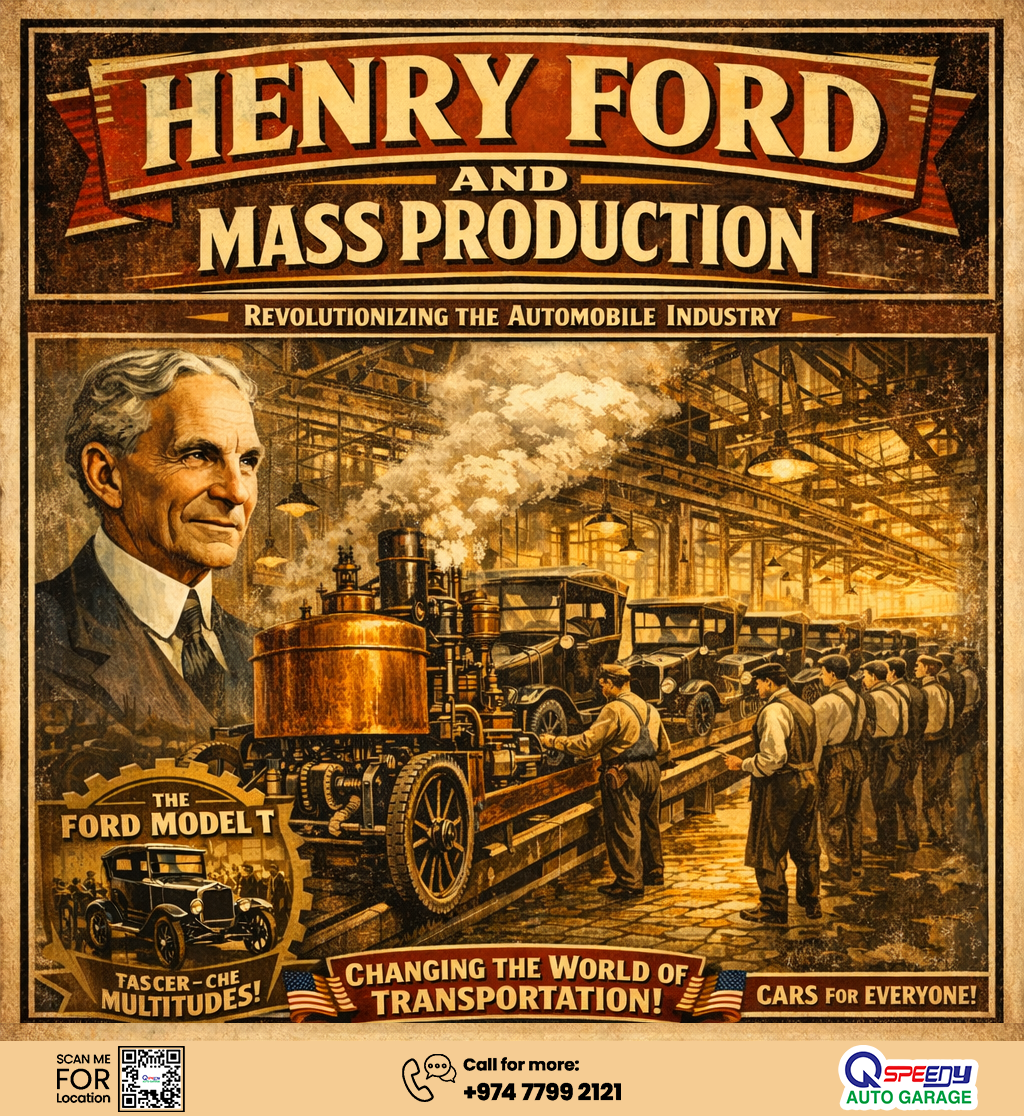
The history of the automobile reached a turning point with the revolutionary vision of Henry Ford, an American industrialist who transformed cars from luxury inventions into everyday necessities. Before Ford’s innovation, automobiles were handcrafted, expensive, and accessible only to the wealthy. Production was slow, and each vehicle required extensive manual labor by skilled workers.
Read more
The period between 1900 and 1930 changed the automobile industry forever. During this time, mass production made cars affordable and accessible to ordinary people, not just the wealthy.
Read more